

Programmatic SEO in 2026: How to Rank in Google AI Overviews, ChatGPT & LLM Search
- March 25, 2026
- Business Marketing
You've probably noticed that hunting for the "best local bakeries" on Google no longer requires clicking through five different websites. Instead of a familiar wall of blue links, an AI Overview now generates a neat paragraph of advice right at the top of your screen. This massive shift means searchers are instantly getting direct answers rather than a directory of web pages. According to search industry data, this convenience is rapidly changing what people expect from the internet, creating a new environment where traditional search habits are disappearing.
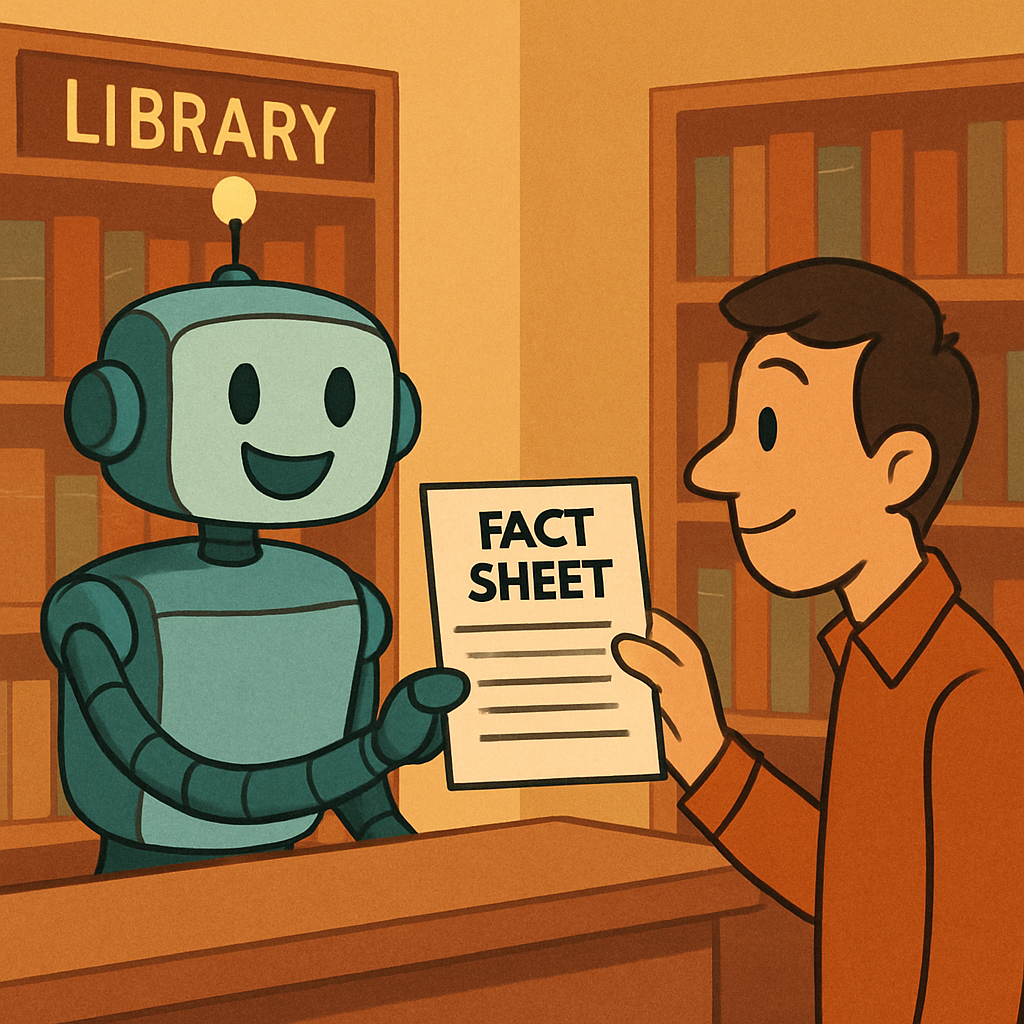
Because users find what they need immediately, they often never click a website at all. Marketers call this the "Zero-Click Search" reality, and it presents a terrifying question for small business owners: how do you survive if no one visits your actual site? Staying visible requires a new playbook known as Generative Engine Optimization. Think of it like feeding a digital librarian; you must clearly organize your business details so the AI assistant confidently reads your facts and recommends you first.
Preparing for this future requires shifting away from old habits like stuffing paragraphs with keywords. By 2026, succeeding online will demand structured data organization over traditional blog writing. Business owners who want to master programmatic SEO must treat their websites less like magazines and more like highly organized catalogs. Artificial intelligence thrives on clean data, relying on these structured facts to build the answers your customers read every single day.
Scaling this organized approach across hundreds of searches might sound impossible without a massive team of developers. Fortunately, deploying generative engine optimization strategies for pSEO simply means building a smart template that automates the heavy lifting of organizing your information. Your business will not disappear in the age of chatbots if you learn to speak their language. By turning your existing knowledge into an automated engine, you can become the trusted, go-to source these AI assistants rely on.
Automation Explained: How to Build a 'Content Machine' Without Writing 1,000 Posts
Think about creating a separate webpage for every neighborhood your plumbing business serves. Instead of typing one hundred individual pages by hand, a strategy called programmatic SEO lets you build a "smart template." You design one incredibly helpful layout, and a system automatically fills in specific local details, letting you create hundreds of pages with the effort of writing just five.
This isn't about letting a computer write confusing spam. The secret to mastering automated content production vs human-in-the-loop workflows is ensuring real people guide the machine to maintain quality. A genuinely helpful system requires three core components:
- Database: A simple spreadsheet of your verified facts and services.
- Template: The master design that cleanly organizes the information.
- Logic: The basic rules telling your website where those facts belong.
Structuring your knowledge this way creates an organized digital catalog that both human customers and new technology can effortlessly read. This solid foundation perfectly prepares your business for the next major internet shift: winning the AI Librarian's favor and giving search engines exactly what they look for in 2026.
Winning the AI Librarian's Favor: What LLM Search Engines Look for in 2026
When a customer asks ChatGPT for the best local plumber, the AI needs to scan millions of websites instantly. To succeed with programmatic seo 2026, your automated pages must have high "machine readability." This involves presenting your facts—like service areas and business hours—so directly that an AI never has to guess what you offer. It looks for straight answers, not confusing marketing fluff.
Just throwing raw data onto a screen won't work, however. Artificial intelligence relies on clear, conversational flow to interpret the actual purpose behind your website. When your templates surround those hard facts with natural, helpful sentences explaining why your services matter, the AI gains confidence in your expertise and feels comfortable recommending you to users.
That recommendation is everything, because being quoted by an AI assistant is the modern equivalent of a glowing five-star review. Figuring out how to optimize programmatic pages for LLM citations means recognizing that these artificial mentions are the new digital word-of-mouth. To secure these valuable callouts, your website must evolve beyond simple keywords and start defining exactly what your business actually does.
Beyond Keywords: Using Semantic Entities to Tell Google What Your Business Actually Does
For years, businesses tried tricking search engines by repeating phrases like "best plumber." Today, AI ignores those old tricks and looks for "semantic entities," meaning it cares about the actual real-world thing, not just a text string. Think of this as building a topic cluster—a web of related ideas that proves your genuine expertise to a digital assistant.
Search engines now understand the logical relationship between a broken pipe, a wrench, and your specific city. Following modern seo best practices means proving you belong in these well-known digital categories by highlighting:
- People: Who actually runs your business?
- Places: Where exactly do you work?
- Products: What specific services do you provide?
- Problems: What customer emergencies do you solve?
By implementing semantic entities in programmatic templates, you stop aggressively repeating the word "plumber" and start thoroughly describing "emergency water repair." This clearly defines your neighborhood of expertise and increases your visibility. Properly organizing this information relies on "digital labels" that tag your facts so AI can quote you accurately.
Creating 'Digital Labels': How to Tag Your Facts So AI Can Quote You
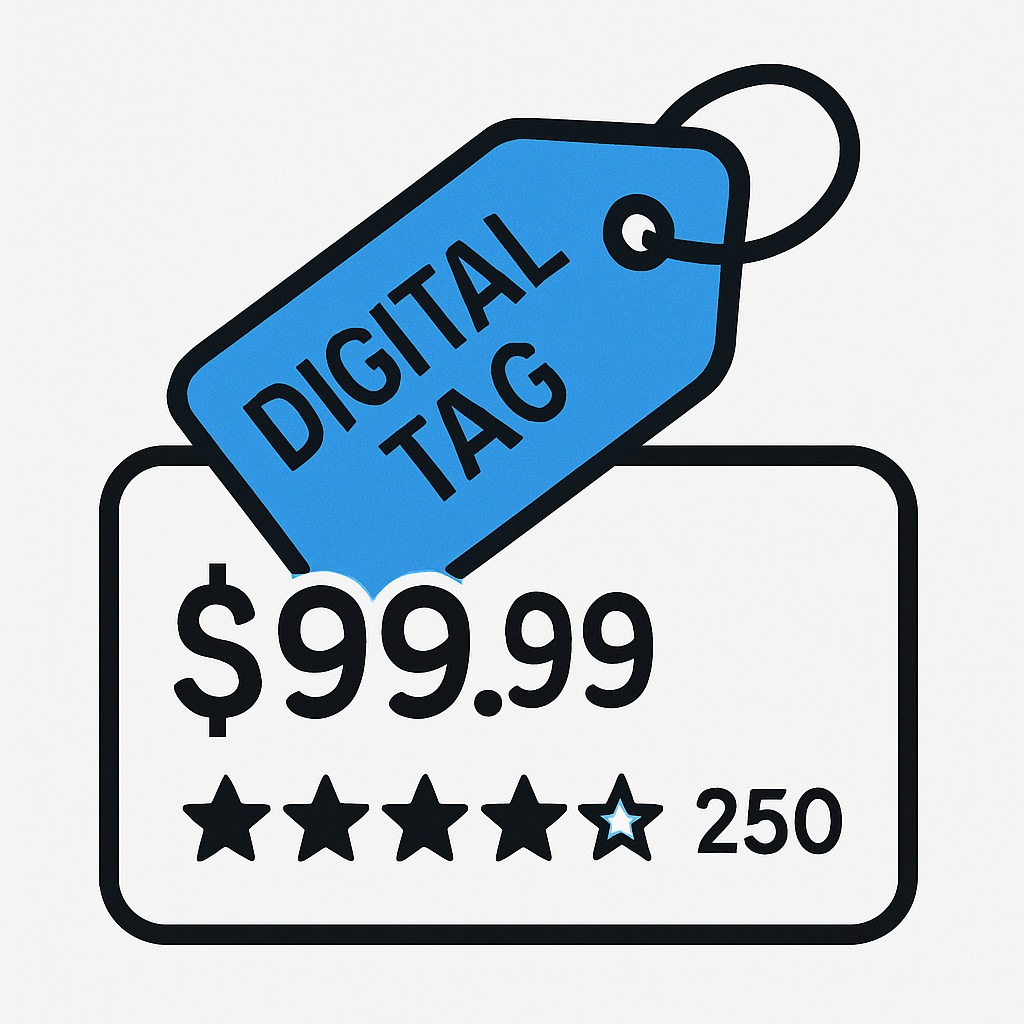
Picture walking into a grocery store where every tin can is missing its paper label. Even if the soup inside is delicious, you wouldn't buy it, which is exactly how AI views your website without "digital labels." Often called structured data schema for AI indexability, these hidden tags sit in your website's back-end code. Instead of forcing an AI assistant to read your homepage and guess your details, these tags hand the computer a perfectly organized fact sheet.
Applying these invisible markers transforms a confusing wall of text into a clear catalog. For a typical local business, the three most critical labels to establish are your physical location, operating hours, and service prices. When optimizing database-driven content for zero-click results, these tags act as a direct translation layer. The digital assistant never has to wonder if "$50" is a price or a random number mentioned in a blog post, because the label guarantees absolute accuracy.
Because these tags remove all guesswork, they represent the absolute fastest lane for getting featured in modern AI summaries. Knowing how to label your facts prepares you for ranking in the 'Google Overview', the definitive method for capturing zero-click searches.
Ranking in the 'Google Overview': The Secret to Winning Zero-Click Searches
Quick web searches now often end at the top of the page, with AI handing you a complete answer before you ever click a link. To survive this shift, your site needs Answer Engine Optimization (AEO). Instead of writing winding essays, AEO focuses on creating clear, bite-sized "fact nuggets." Think of it like giving a news reporter the perfect soundbite; you want your information so direct that the AI simply copy-pastes your expertise into its summary box.
Mastering how to rank in Google AI overviews comes down to formatting so a computer never has to guess. When applying answer engine optimization for database-driven websites, structure is your best friend. Make your pages AI-ready with three simple rules:
- Use clear headers: Match exactly what your customers ask.
- Organize with tables: AI loves rows and columns for comparing prices and schedules.
- Write 40-60 word summaries: Place a short, direct answer immediately under your headers.
Even if a searcher doesn't click your link today, appearing in these top spots builds massive brand trust without relying on traditional clicks. Once you master Google's summaries, you are ready for the next frontier: getting your business cited in AI assistants like ChatGPT and Perplexity.
From Chatbots to Customers: How to Get Your Business Cited in ChatGPT and Perplexity
Getting noticed by Google is just the beginning; the real prize is having AI assistants actively recommend your business. When users ask Perplexity or ChatGPT for local services, these tools act like digital researchers scanning the web for trustworthy "Authority Signals." They don't just read old blog posts. Instead, they look for verified reviews, recognized mentions, and structured data proving you are a legitimate, active business.
Because these modern bots browse the live internet, a dusty website updated last year gets ignored. If an AI checks your site for today's pricing and finds outdated information, it quickly moves to a competitor. To fix this, businesses use API-driven content strategies for real-time LLM indexing by connecting your website directly to your business software so inventory updates instantly. Fresh data acts as a magnet for AI researchers.
Mastering how to rank in ChatGPT & LLM search requires treating your website less like a static brochure and more like a live digital storefront. When your business facts are constantly refreshed, assistants feel confident quoting you. However, feeding these systems rapid information only works if the details are perfectly correct, making it essential to ensure your automated pages never accidentally mislead the AI.
The End of AI Hallucinations: Ensuring Your Automated Pages Are 100% Accurate
Letting a smart assistant write your website unsupervised is like hiring a salesperson who invents product features just to close a deal. We call these confident mistakes "hallucinations," and they represent the biggest risk of fully hands-off AI content production. Fortunately, preventing AI hallucinations in automated page generation simply requires setting strict boundaries for your digital assistant.
To build these boundaries, modern websites use a "Verification Layer" formally called retrieval-augmented generation for dynamic landing pages. You can think of this as handing your AI a strict company rulebook where it is only allowed to write using the exact data you provide. By "anchoring" your content to a master spreadsheet of hard facts—like your actual service prices, inventory, or store hours—the AI transforms from a creative storyteller into a reliable, automated fact-checker.
Keeping your new content completely trustworthy relies on a simple three-step check:
- Verification: Ensure your source spreadsheet contains only perfectly accurate, up-to-date details.
- Fact-Anchoring: Command the AI system to never write outside of those specific, provided facts.
- Human Oversight: Spot-check the final pages before they are published to the public.
Once your facts are perfectly accurate, you must organize them logically. Just dumping reliable information online still confuses both readers and AI assistants, which highlights why your website needs a map, not a timeline.
Content Hubs vs. Traditional Blogs: Why Your Website Needs a Map, Not a Timeline
Business owners used to publish website updates like a chronological diary. However, AI assistants only care about finding the best answer, not when an article was written. In the debate of programmatic content hubs vs traditional blogs, the timeline method forces AI to hunt through a messy history to understand your business. Your website needs a map instead.
Organizing your site by dedicated subjects creates this helpful digital map. Imagine a hardware store grouping tools by project rather than the date they arrived in stock. This logical sorting builds what search engines call "Topical Authority." By connecting a core subject directly to its related subtopics, you achieve clear topical authority mapping for programmatic site architecture. This structure helps AI librarians instantly recognize your comprehensive expertise.
You can adapt quickly by reorganizing fifty scattered posts into five focused hubs. A local bakery, for instance, might gather every random wedding cake article into one master guide linking to specific flavors and pricing. After building these foundational hubs, the next challenge is growth. You will soon need to expand this strategy to prove your credibility across hundreds of distinct pages.
Scaling Trust: How to Show AI You're an Expert Across 500 Different Pages
Growing your site from a few guides to hundreds of automated pages raises a major question: Is a real expert still driving the machine? Google looks for "E-E-A-T"—Experience, Expertise, Authoritativeness, and Trustworthiness—to ensure your advice is safe. Figuring out how to scale E-E-A-T signals through programmatic SEO means proving a human touch exists on every single page your system generates.
You solve this by baking digital "Trust Badges" directly into your page templates. Organizing your credentials helps with scaling authoritative datasets for search generative experience, providing AI with a massive, reliable library of facts about your credibility. Every automated page must include key human-trust signals:
- Author bios
- Linked reviews
- Local certificates
Search engines heavily prioritize this local evidence. It quickly separates authentic neighborhood businesses from automated spam. AI librarians will confidently recommend your services once they spot these consistent badges. After establishing this permanent trust, your next challenge is mastering real-time answers: using fresh data to stay indexed by AI bots.
Real-Time Answers: Using Fresh Data to Stay Indexed by AI Bots
Asking a voice assistant for today's weather and getting last week's forecast is a frustrating experience. Just as we demand current information, AI tools constantly "crawl" the web looking for a high "freshness" score to guarantee their answers are accurate right now. If your website rarely updates, AI librarians will simply pass you over for a competitor who frequently adds new details.
Staying current doesn't require typing manual updates every hour. You can link your web pages to live digital catalogs—like a local real estate pricing dashboard—using API-driven content strategies for real-time LLM indexing. This allows a smart template to pull in live numbers automatically. As people increasingly search with images or audio, adapting multi-modal SEO for AI-powered search engines ensures this fresh data gets found however your customers choose to ask.
This constantly updating information creates a protective moat around your business, making it impossible for generic AI clones to steal your immediate relevance. While live feeds prove your site is active, machines shouldn't run the entire show. This necessary balance makes manual editing the new premium ranking factor.
The 'Human-in-the-Loop' Strategy: Why Manual Editing is the New Premium Ranking Factor
You might have recently read an article that felt strangely lifeless. That robotic tone happens when businesses rely entirely on machines to write, missing the vital flair that builds trust. Future search success depends on an 80/20 rule: using 80% automation for the heavy lifting, and 20% human personality for genuine connection.
Adding this personality requires an editorial layer where a real person steps in with firm opinions or local insights. Search engines actively look for these natural human quirks. This unpredictable "randomness" acts as a strong quality signal separating true experts from generic bots. When weighing automated content production vs human-in-the-loop workflows, the human-guided approach always wins because it sounds like a trusted friend instead of a textbook.
To build this review process into your daily routine, simply take five minutes to read the AI's draft and inject a brief personal story before publishing. This final polish proves your authenticity to both customers and digital librarians. A local service business perfectly demonstrated this blend of scale and personality to dominate regional search.
Case Study: How a Local Service Business Used pSEO to Dominate 50 Neighboring Cities
Consider an Ohio roofing company that wanted to attract customers from fifty surrounding towns. Traditionally, the owner would have to write fifty unique articles about fixing roofs in each specific neighborhood, costing thousands of dollars and months of tedious work. They needed a smarter way to capture these local searches without emptying their marketing budget.
Instead of starting from scratch every time, they built a single "Smart Template" to act as a foundation for every town. This clever approach to scaling visibility is exactly what programmatic seo 2026 will look like for everyday businesses. They created a master blueprint that seamlessly blended their professional advice with blank spaces waiting to be filled by local data.
Filling those spaces required organizing neighborhood knowledge into simple digital fact sheets. By successfully implementing semantic entities in programmatic templates—properly labeling local details like average winter snowfall and county building codes—they instantly generated fifty distinct, helpful pages. A human editor then spent just five minutes adding a quick personal story to each draft.
That blended strategy delivered a massive 400% increase in online visibility through local AI citations within three months. Because digital assistants could easily read these organized facts, the company became the immediate recommendation for nearby contractors. Organizing your own business data this way requires a systematic approach.
Your 30-Day AI Readiness Roadmap: Turning Your Website into an Answer Machine
You don't need a massive marketing budget to see the same growth as that local roofer. Upgrading your website simply requires breaking the process down into manageable weekly wins. By following a clear action plan, you can turn your basic site into a smart engine that feeds answers directly to AI assistants.
To build your automated system, follow this straightforward roadmap:
- Week 1: Data Gathering. Collect your essential business facts into a single spreadsheet.
- Week 2: Design Template. Create one welcoming page layout with blank spaces for your local facts.
- Week 3: Digital Labels. Add your first five labels—service area, business hours, customer ratings, pricing, and phone number—so AI reads them instantly.
- Week 4: Human Review. Add a quick personal touch to each automated draft before publishing.
Following these seo best practices ensures your business stands out when customers ask digital assistants for help. You will measure success differently now; instead of just counting random website clicks, you must track how often AI highlights you as a trusted local expert. Mastering programmatic seo 2026 means prioritizing this automated visibility so you can spend your time actually serving customers.
The Future of Finding: Why Being Searchable is the Only Way to Survive 2026
Ultimately, organizing your knowledge guarantees your business will not get lost in the digital noise. As chatbots become the everyday standard for finding local services, making your website machine-readable is no longer optional. You no longer have to wonder if your website will disappear when artificial intelligence takes over the search bar. You now understand that organizing your digital data isn't a passing fad—it is a critical, long-term survival strategy.
By building smart, automated templates, you can easily feed the digital librarian exactly what it needs to confidently recommend your services. Start today by collecting your most valuable business facts into a simple spreadsheet to see immediate results.
While competitors scramble to write standard blog posts, you can leverage these programmatic SEO strategies to establish topical authority. By taking this proactive step now, you secure a competitive edge and place yourself far ahead of the curve.
The internet is fundamentally shifting how customers discover new brands. As these smart assistants become our primary guides, the old rules of digital word-of-mouth are being rewritten entirely. In 2026, you won't search for information; information (via AI) will find you. Make sure you are the information it finds.

About us and this blog
We are a digital marketing company with a focus on helping our customers achieve great results across several key areas.
Request a free quote
We offer professional SEO services that help websites increase their organic search score drastically in order to compete for the highest rankings even when it comes to highly competitive keywords.
Recent Posts
View all projects





More from our blog
See all posts





Recent Posts
- How to Improve Brand Visibility in AI Search Engines: 12 Lessons From Six Months of Testing July 13, 2026
- Programmatic SEO in 2026: How to Rank in Google AI Overviews, ChatGPT & LLM Search March 25, 2026
- How to Promote Last-Minute Black Friday Deals with SEO, AIO Search Fast With Online Advantages November 21, 2025
